Learning cannot be done without proper exploration. Space is all about it. Finding new paths and looking for new patterns is exactly what the curious human nature leads to. This place is exactly where such addiction will be satisfied. Navigate the cosmos with us.
{{current_slide_index}} / {{total_slide_count}}The Andromeda Galaxy (M31) is the closest spiral galaxy to us and the largest member of our Local Group. It’s so massive and bright that you can actually see it with the naked eye from Earth on a clear, dark night.Explore NowANdromEDAsource of lifeTypeSpiral Galaxy (SA(s)b).Distance 2.54 million light years.Diameter220,000 light years (about twice the size of the Milky Way).Mass1.5 trillion times the mass of the Sun.{{current_slide_index}} / {{total_slide_count}}NGC 7662 is a planetary nebula in the constellation Andromeda, commonly nicknamed the Blue Snowball Nebula because of its round, glowing blue appearance in small telescopes.learn moreNGC 7662The Blue SnowballConstellation Andromeda.TypePlanetary Nebula (dying star’s outer layers ejected into space).DistanceAbout 2,000 light years from Earth.Central StarA hot white dwarf{{current_slide_index}} / {{total_slide_count}}M32 (Messier 32) is a dwarf elliptical galaxy that orbits the Andromeda Galaxy (M31).learn moreTypeCompact Dwarf Elliptical Galaxy (cE2).ConstellationAndromedaDistance2.5 million light years away (same as M31)DiscoveryFound by Guillaume Le Gentil in 1749M32 Messierhot and cold{{current_slide_index}} / {{total_slide_count}}J0045+41 was once mistaken for a red giant in Andromeda, but deeper studies revealed it’s actually a distant blue active galaxy. Powered by supermassive black holes, it shines from billions of light-years away, just aligned with M31 in our line of sight.learn moreType Blue active galaxy (AGN), not a starSky PositionAppears in Andromeda’s field, but lies far behind itBlack HolesLikely hosts a binary pair of supermassive black holesDistance from Earth2.6 billion light-yearsJ0045+41Blue Supergiant{{current_slide_index}} / {{total_slide_count}}A background active galaxy (AGN) seen behind Andromeda, previously mis-identified as part of M31.learn moreJ0040+41Red SupergiantDistance2.6 billion light-years from Earth.Black hole(s)Likely hosts a pair of supermassive black holes.Combined mass200 million times the mass of our Sun.distance from earth2.6 billion light-years from Earth{{current_slide_index}} / {{total_slide_count}}Planetary nebulae in M31 are the glowing remnants of sun-like stars, lighting up the Andromeda Galaxy with rings of ionized gas. They act like cosmic signposts — telling us about stellar lifecycles, chemical enrichment, and galaxy evolution.learn morePlanetary Nebulaein M31Count2,600+ identifiedRoleTracers of Andromeda’s disk, bulge & halo dynamicsChemical makeupOxygen levels near solar (slight gradient)LocationFound across disk, bulge, and outer halo of M31{{current_slide_index}} / {{total_slide_count}}The Milky Way is our home galaxy, a sprawling spiral of hundreds of billions of stars, gas, and dust stretching over 100,000 light-years.learn moreMilky WayHome to BillionsNumber of starsEstimated 100–400 billionTypeBarred spiral galaxyDiameter100,000 – 120,000 light-yearsDistance to galactic center26,000 light-years from Earth{{current_slide_index}} / {{total_slide_count}}Messier 82, known as the Cigar Galaxy, blazes with intense star formation. Seen edge-on from Earth, it reveals powerful winds and a striking, elongated shape.learn moreDistance from Earth12 million light-yearsGalaxy typeStarburst galaxyRadius18,500 – 19,000 light-yearsLuminosity & comparison5× more luminous than the Milky WayMessier 82 Cigar Galaxy{{current_slide_index}} / {{total_slide_count}}Hoag's Object is an unusual and mysterious ring galaxy located about 600 million light-years away in the constellation Serpens Caput. It is known for its distinct, nearly perfect ring of young, hot blue stars that circles a central ball of much older, yellower stars. The vast, seemingly empty gap that separates the core from the ring makes Hoag's Object one of the most remarkable galaxies known to astronomers.learn moreHoag's ObjectA wheel within a wheelDistance from Earth600 million light-yearsApparent angular size28″ to 45″ for the ringRadius60,500 light-yearsMass700 billion solar massesnext prevscroll
Explore the Universe Up Close
Step beyond Earth and uncover the wonders of distant galaxies. Our interactive maps let you zoom in, explore, and experience the cosmos like never before.
Explore
Explore Andromeda Galaxy
Explore the vast beauty of the Andromeda Galaxy in detail with our interactive map.
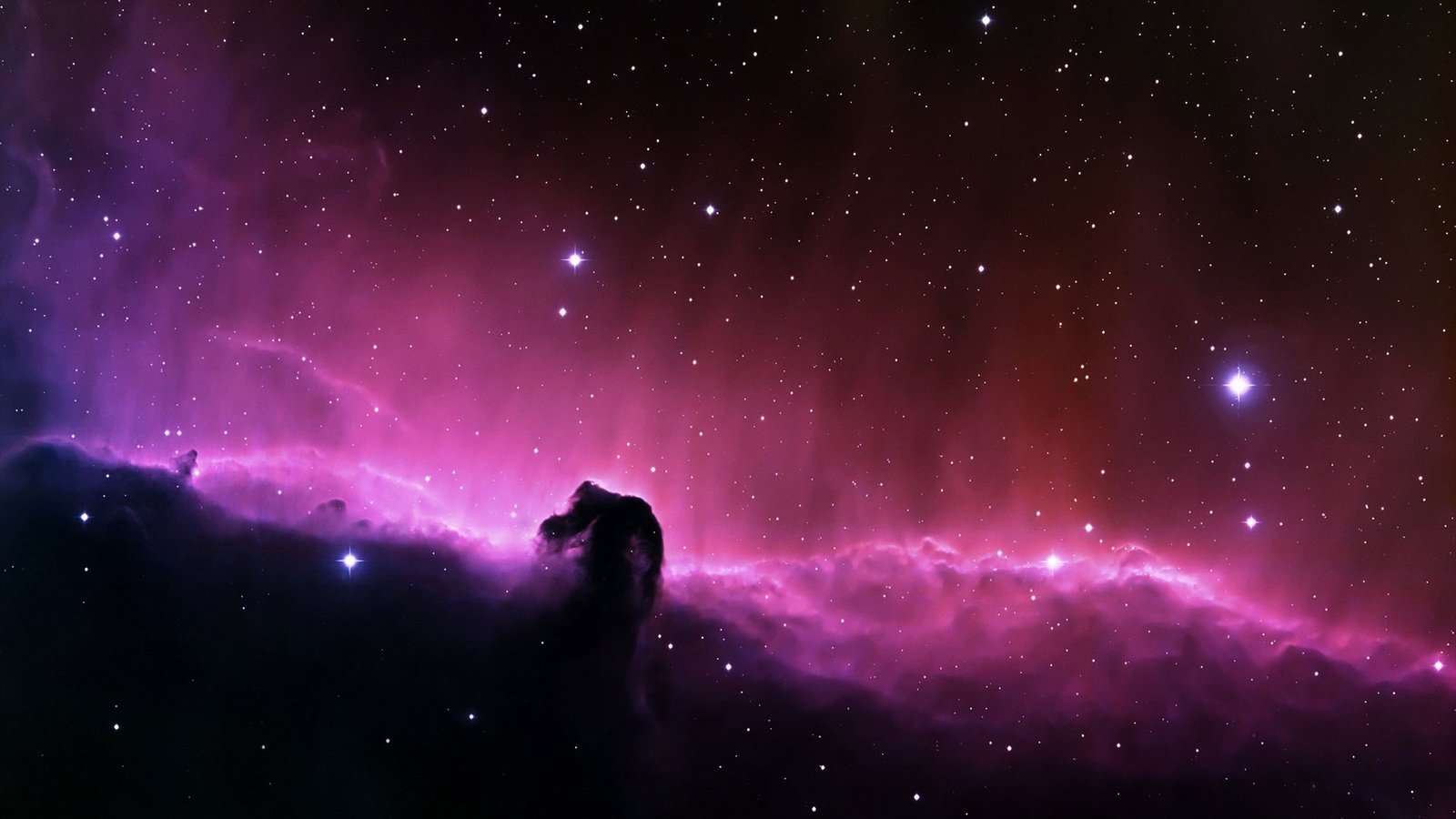
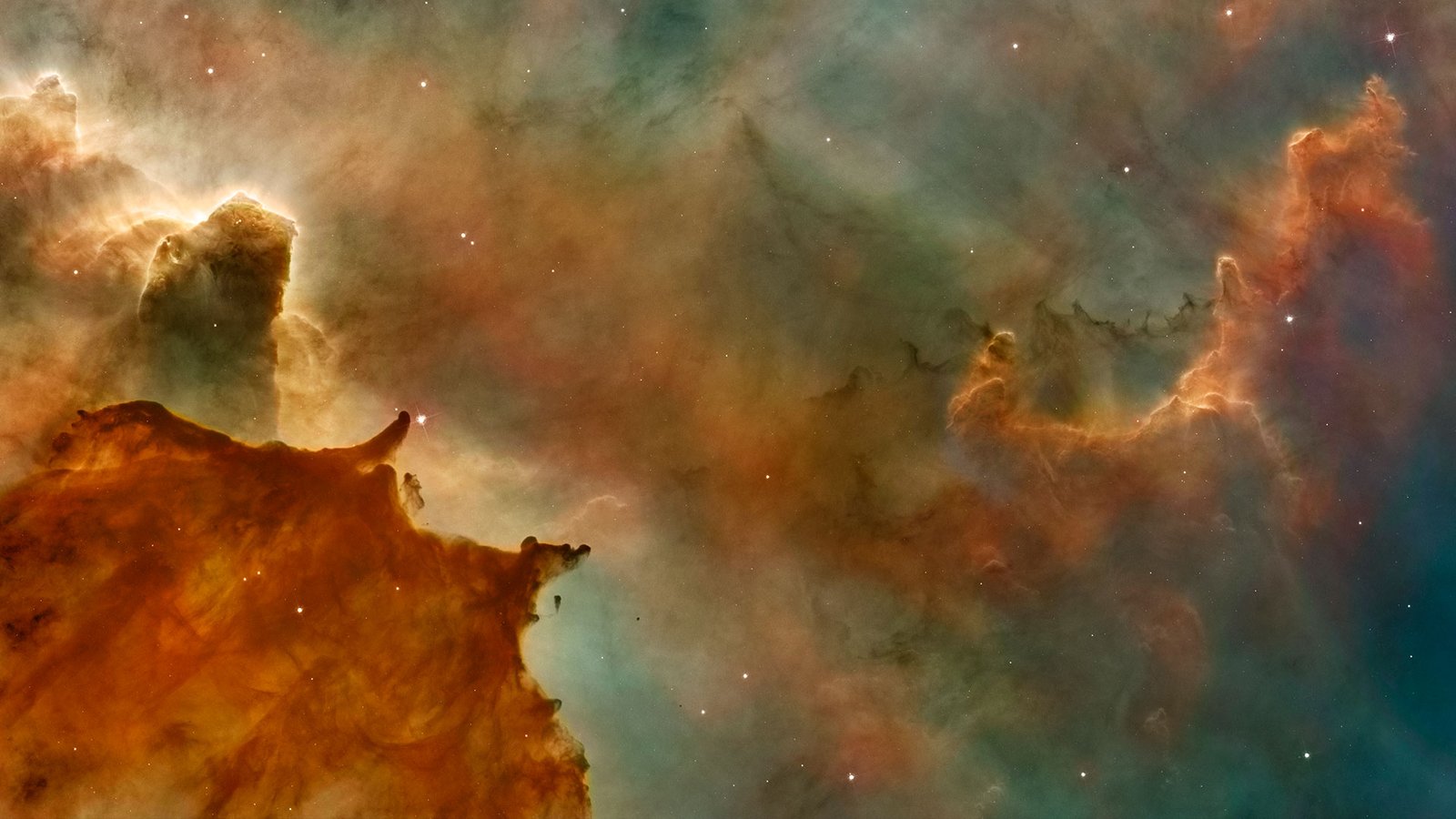
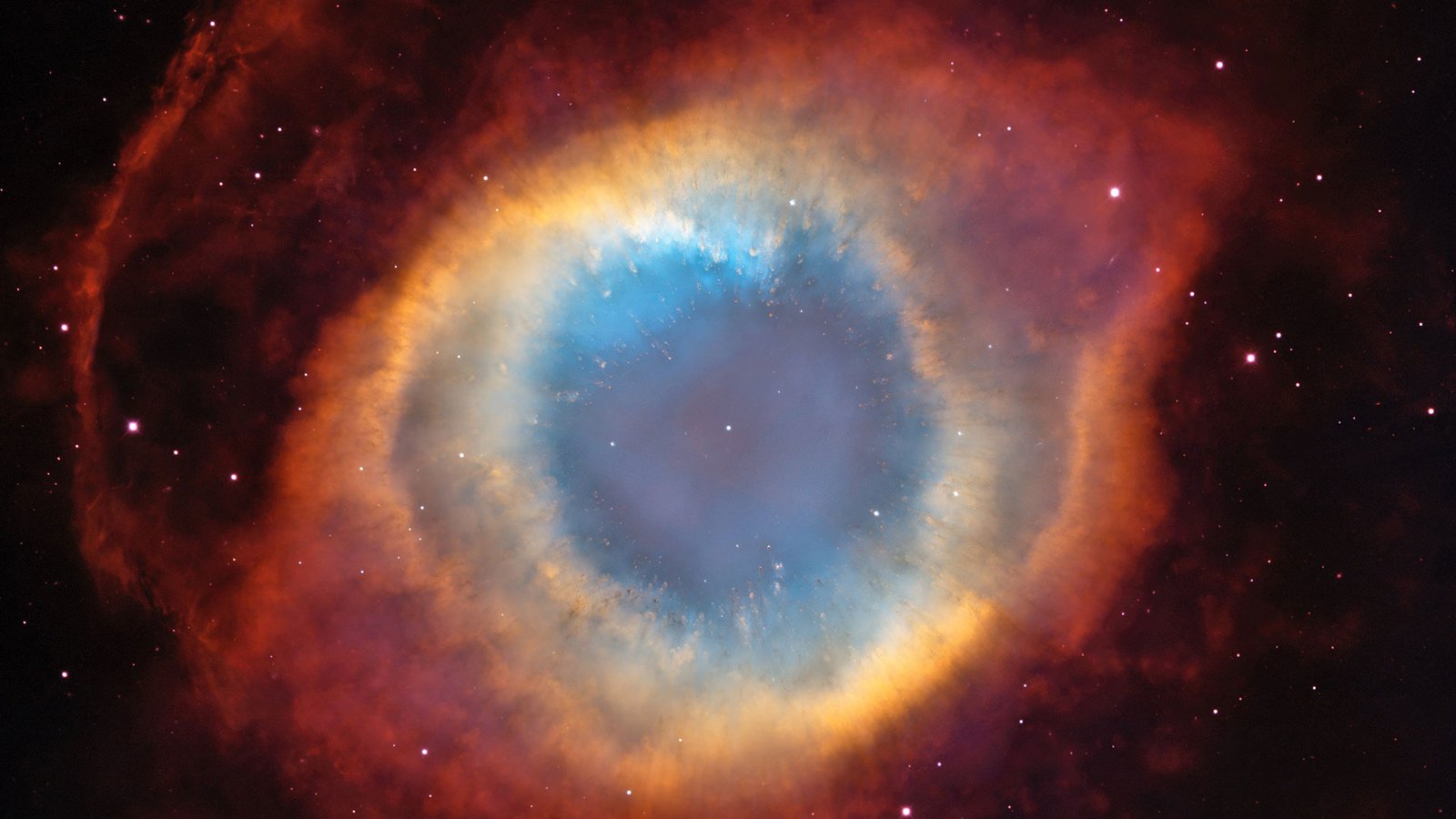
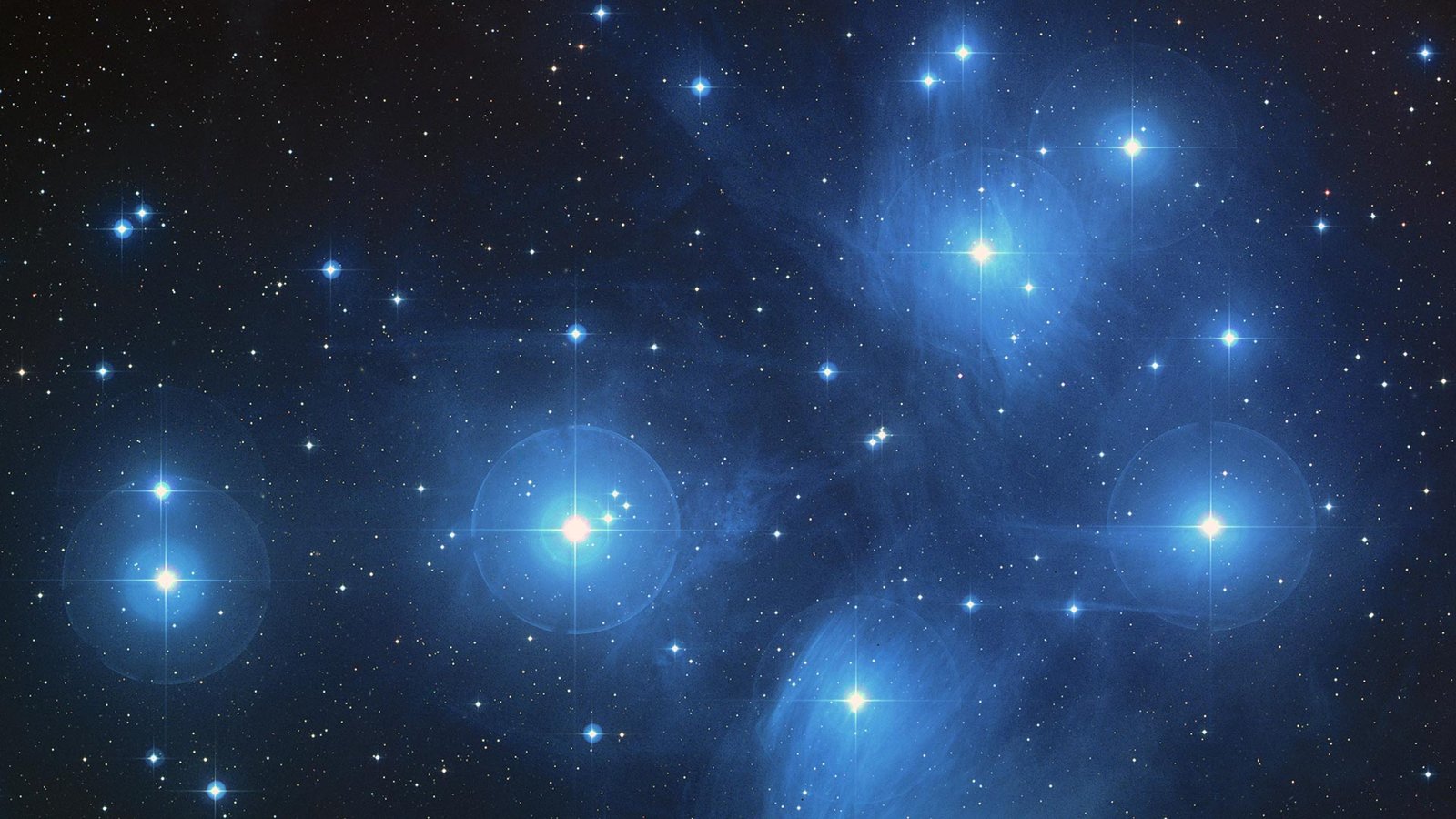
HORSEHEAD NEBULAA dark nebula in the constellation Orion, located just to the south of the star Alnitak, which is farthest east on Orion's Belt, and is part of the much larger Orion Molecular Cloud Complex.SUPERNOVAA supernova is an astronomical event that occurs during the last stellar evolutionary stages of a massive star's life, whose dramatic and catastrophic destruction is marked by one final titanic explosion. This causes the sudden appearance of a "new" bright star, before slowly fading from sight over several weeks or months.INTERSTELLAR CLOUDS OF DUSTMost nebulae are of vast size, even millions of light years in diameter. Contrary to fictional depictions where starships hide in nebulae as thick as cloud banks, in reality a nebula that is barely visible to the human eye from Earth would appear larger, but no brighter, from close by.HELIX NEBULAThe Helix Nebula, also known as The Helix, NGC 7293, is a large planetary nebula (PN) located in the constellation Aquarius. Discovered by Karl Ludwig Harding, probably before 1824, this object is one of the closest to the Earth of all the bright planetary nebulae.PLEIADESIn astronomy, the Pleiades, or Seven Sisters (Messier 45 or M45), is an open star cluster containing middle-aged, hot B-type stars located in the constellation of Taurus. It is among the nearest star clusters to Earth and is the cluster most obvious to the naked eye in the night sky.
Join Us
Future innovation
The place where you stand now gives you the platform, not only to explore as a young scientist, but also lets you wander at your own pace discovering beyond the unthinkable.
Observe
Learn
Achieve.
Follow the trailblaze for the most fascinating aspects of the deep sky, where darkness comes to life.